
Gynecomastia Treatment in Nagpur: Expert Care by Dr. Bhupendra Gaidhane
Gynecomastia Surgery in Nagpur
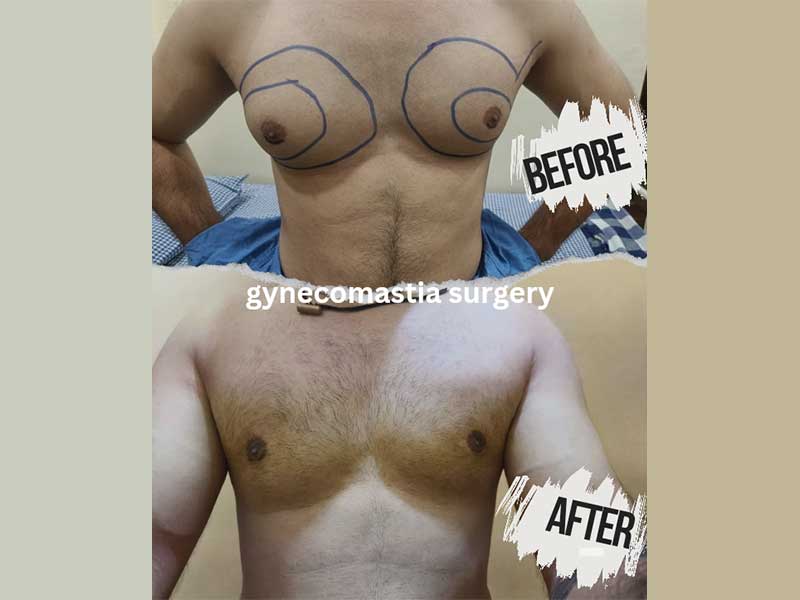
Gynecomastia surgery in Nagpur is a commonly performed procedure to correct enlargement of the male chest caused by glandular tissue, fat, or both. When chest enlargement does not improve with weight loss or exercise, surgical treatment may be considered to restore a flatter, more masculine chest contour.
At our practice in Nagpur, treatment is individualized based on the grade of gynecomastia, the proportion of fat and glandular tissue, and skin elasticity. Modern techniques such as ultrasonic-assisted liposuction and micro-incision gland excision allow precise chest contouring while minimizing visible scarring.
Common Signs of Gynecomastia
Men with gynecomastia may notice several physical changes in the chest area. These signs often persist despite exercise or weight loss.
Common symptoms include:
• Puffy or protruding nipples
• Firm or rubbery tissue beneath the nipple area
• Chest enlargement that appears disproportionate to body weight
• Asymmetry between the two sides of the chest
• Sensitivity or tenderness in the nipple area
A clinical examination helps differentiate between simple chest fat and true glandular gynecomastia.
Diagnosis and Evaluation
Accurate diagnosis is important before planning treatment. During consultation, the chest is examined to assess the amount of glandular tissue, fat distribution, and skin laxity.
Evaluation typically includes:
• Physical examination of glandular tissue
• Assessment of chest contour and symmetry
• Review of medical history and medications
• Evaluation for hormonal or lifestyle factors that may contribute to gynecomastia
This assessment helps determine whether liposuction alone, gland excision, or a combination approach will provide the best result.
Gynecomastia Surgery – Procedure Overview:
Procedure: Gynecomastia surgery (male breast reduction)
• Techniques Used: Liposuction with gland excision when required
• Technology: Lipovase (4th-generation VASER), Ultrasonic-Assisted Micro-Incision Protocol
• Incisions: Micro-incisions (4–6 mm) placed in the areolar margin or axilla
• Anesthesia: Usually general anesthesia or sedation
• Recovery: Light activity in 48–72 hours; gradual return to exercise in 4–6 weeks
• Estimated Cost: ₹50,000 – ₹1,50,000 depending on grade
• Location: Nagpur, Maharashtra
View More Before/After Gynecomastia Results →
Gynecomastia: More Than a Physical Issue
Gynecomastia affects identity, confidence, and daily life. Patients commonly report hiding their chest, avoiding swimming, feeling anxious in social situations, and enduring teasing or bullying. We treat both the physical chest contour and the emotional burden that comes with it.
What Is Gynecomastia?
Gynecomastia is the benign enlargement of male breast tissue due to fat, glandular tissue, or both. We evaluate the fat component, gland component, skin laxity, and nipple-areolar shape to plan treatment.
Grading & When Surgery Is Indicated
- Grade I: Mild fullness, usually liposuction alone.
- Grade II (A/B): Moderate gland component—most need combined technique.
- Grade III: Large volume with sagging—may need skin tightening.
Why Choose Us
We emphasize precision chest contouring using the Ultrasonic-Assisted Micro-Incision Protocol and Lipovase (4th-gen VASER) for better contour, less trauma, and minimal visible scarring.
Treatment Options
Lipovase (Ultrasonic-Assisted Liposuction)
Ultrasound energy emulsifies fat for selective removal—benefits include less bruising, better contouring, and improved skin tightening. In cases where excess fat is a major component, liposuction is commonly used as part of gynecomastia surgery to achieve a flatter, more natural chest contour.
Gland Excision (Micro-incision)
Small areolar incisions remove firm glandular tissue that liposuction cannot address alone. Incision size is minimized to reduce visible scarring.
How Gynecomastia Surgery Is Performed
Gynecomastia surgery is designed to remove excess glandular tissue and fat while improving chest contour. The procedure is typically performed under general anesthesia or appropriate sedation.
The surgical steps may include:
• Small micro-incisions placed around the areola or in hidden areas
• Liposuction to remove excess fatty tissue
• Removal of firm glandular tissue through a small incision
• Contouring of the chest to achieve a natural shape
The exact technique depends on the grade of gynecomastia and the amount of gland and fat present.
The cost of gynecomastia surgery in Nagpur depends on several individual factors. Since every patient’s condition is different, the final cost is decided after a detailed clinical examination.
Gynecomastia surgery cost in Nagpur typically starts from ₹50,000 and may vary depending on the complexity of the condition and the surgical technique required
Factors Affecting the Cost of Gynecomastia Surgery
-
Grade of gynecomastia (fat, gland, or both)
-
Use of advanced technologies such as VASER liposuction
-
Whether gland excision is required
-
Type of anesthesia used
-
Hospital facility and OT charges
-
Compression garments and post-operative care
During consultation, Dr. Bhupendra Gaidhane explains the treatment plan clearly and provides a transparent cost estimate tailored to the patient’s condition.
Who Is a Good Candidate for Gynecomastia Surgery
Gynecomastia surgery may be considered for men who have persistent chest enlargement that does not improve with exercise or weight loss.
Suitable candidates often include:
• Men with firm glandular tissue beneath the nipple
• Individuals with stable body weight
• Patients who have completed puberty
• Those with realistic expectations about surgical results
A consultation helps determine whether surgery is appropriate and which technique will achieve the best outcome.
Step-by-Step: What to Expect
- Consultation: Grading, photos, expectations, and medical evaluation.
- Pre-op: Tests, medication review, garment sizing.
- Surgery: 60–120 minutes; liposuction + gland excision as needed.
- Immediate recovery: Day-care where appropriate; discharge instructions and follow-up schedule provided.
Expected Results After Gynecomastia Surgery
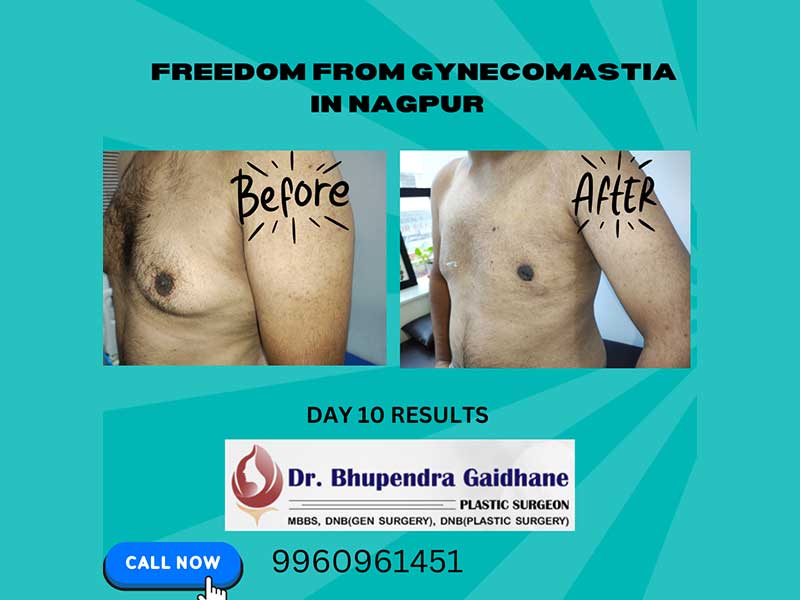
Gynecomastia surgery aims to create a flatter, more masculine chest contour. Improvements are visible soon after surgery, although final results become clearer as swelling gradually settles.
Patients typically notice:
• Improved chest contour and symmetry
• Reduction in nipple projection or puffiness
• Better fit of clothing and improved body confidence
Final chest contour continues to refine over the following months as tissues heal and swelling resolves.
Recovery Timeline
| Time | What happens | Activity |
|---|---|---|
| 0–2 days | Mild pain & swelling | Rest |
| 3–7 days | Improved mobility | Desk work |
| 2–3 weeks | Major swelling reduces | Light cardio |
| 4–6 weeks | Most healing done | Resume chest training gradually |
| 3–6 months | Final contour settles | Full activity |
Recovery After Gynecomastia Surgery (What to Expect)
Recovery after gynecomastia surgery is usually smooth when performed using modern techniques such as VASER-assisted liposuction with gland excision.
Most patients are discharged the same day and can resume light daily activities within a few days. Mild pain, swelling, and tightness in the chest are common during the first week and are well controlled with prescribed medications and compression garments.
Desk work is typically possible within 3–5 days. Strenuous activities, chest workouts, and gym exercises are gradually resumed after 3–4 weeks, depending on the extent of surgery and individual healing.
Final chest contour continues to improve over the next few months as swelling settles and the skin adapts to the new shape. Regular follow-ups help ensure optimal healing and long-term results.
Safety and Possible Risks
Gynecomastia surgery is generally considered safe when performed by a qualified plastic surgeon in an appropriate surgical facility. As with any surgical procedure, temporary effects may occur during the healing period.
Possible effects may include:
• Swelling and bruising
• Temporary numbness in the chest area
• Mild discomfort during early recovery
• Rarely, fluid accumulation or asymmetry
Careful surgical technique and proper post-operative care help minimize these risks and support smooth recovery.
Emotional Transformation After Surgery
After surgery, patients frequently report dramatic improvements in confidence, body image, and social comfort. Common changes include wearing fitted shirts without anxiety, returning to swimming, improved posture, and reduced social avoidance.
Frequently Asked Questions about Gynecomastia Surgery
Is gynecomastia surgery permanent?
Gynecomastia surgery provides long-lasting results when the enlarged gland tissue is properly removed.
Once the gland is excised, it does not grow back. However, significant weight gain, hormonal imbalance, or use of certain medications or steroids can affect chest appearance in the future. These factors are discussed during consultation to minimise recurrence risk.
Will there be visible scars after gynecomastia surgery?
Scars after gynecomastia surgery are usually small and discreet.
Incisions are strategically placed around the areola or within natural skin creases, where they tend to heal well and fade over time. With proper technique and scar care, scars are typically barely noticeable in most patients.
Is gynecomastia surgery painful?
Gynecomastia surgery is well tolerated by most patients.
Post-operative discomfort is usually mild to moderate and is effectively managed with medications. Tightness or soreness in the chest is expected for a few days and gradually improves as healing progresses.
What is the recovery time after gynecomastia surgery?
Most patients can return to light daily activities within a few days.
Desk work is often resumed within a week, while strenuous exercise and heavy lifting are avoided for a few weeks as advised. A compression garment is worn during early recovery to support healing and contouring.
Can gynecomastia come back after surgery?
True recurrence after proper gland removal is uncommon.
However, factors such as significant weight gain, hormonal issues, or anabolic steroid use can cause fat accumulation or hormonal changes in the chest. Maintaining a healthy lifestyle and addressing underlying causes helps preserve long-term results.
What causes gynecomastia and who usually needs surgery?
Gynecomastia can be caused by hormonal imbalance, genetic factors, certain medications, steroid use, or puberty-related changes. Surgery may be advised when chest enlargement persists despite weight loss or exercise and glandular tissue is confirmed on clinical examination.
How can I tell if my chest problem is fat or true gynecomastia?
Chest fat usually feels soft and spread across the chest, whereas true gynecomastia presents as firm or rubbery tissue beneath the nipple area. A physical examination by a surgeon is necessary to accurately differentiate between fat and gland.
Can weight loss or exercise completely correct gynecomastia?
Weight loss and exercise can reduce excess chest fat but cannot remove glandular breast tissue. When glandular tissue is present, surgical removal is the most reliable method for correction.
What surgical techniques are commonly used for gynecomastia correction?
Gynecomastia surgery may involve one or a combination of the following techniques:
• Liposuction to remove excess fatty tissue
• Micro-incision excision to remove firm glandular tissue
• Skin tightening or limited lift procedures in selected higher-grade cases
The surgical approach is individualized based on chest anatomy and examination findings.
How long does gynecomastia surgery take and what type of anaesthesia is used?
The procedure typically takes between 60 and 120 minutes. It is commonly performed under general anaesthesia or appropriate sedation, depending on the surgical plan and patient factors.
Is gynecomastia surgery done as a day-care procedure?
In most cases, gynecomastia surgery is performed as a day-care procedure, allowing patients to return home the same day after a short period of observation.
Do I need to wear a compression garment after surgery?
Yes. A compression garment helps to reduce swelling, support proper healing, and improve final chest contour. It is usually worn continuously for the first 1–2 weeks, followed by part-time use as advised by the surgeon.
When can I resume gym or physical activity after surgery?
Light daily activities can usually be resumed within a few days. Strenuous exercise and chest workouts are generally avoided for about 3–4 weeks to allow proper healing.
Can gynecomastia return after surgery?
Recurrence is uncommon once glandular tissue is removed. However, significant weight gain, hormonal imbalance, or steroid use may affect chest appearance in the future.
Is gynecomastia surgery considered safe?
When performed by a qualified plastic surgeon in a proper surgical facility, gynecomastia surgery is considered a safe and commonly performed procedure. Potential risks and limitations are discussed in detail during consultation.
Book Your Consultation
To know if gynecomastia surgery is right for you, book a personal consultation with Dr. Bhupendra Gaidhane.
Clinic: Cabin No. 3, 1st Floor, Diamond One Building, Prime Polyclinic, Dhantoli, Nagpur
Email: bhupen.gaidhaneplastic@gmail.com